Water Softeners
Water Softener Installation in Wilmington, DE for Hard Water Homes
Crusty faucets, spotty dishes and soap that never lathers are signs of hard water. We install and service softeners that protect your plumbing. Call (302) 750-0115.
Supreme Plumbing Services provides water softener installation in Wilmington, DE and across the tri-state area for homes on city water and private wells alike. We size, install and maintain softeners that remove the calcium and magnesium behind scale buildup. Call (302) 750-0115 to find out whether a softener makes sense for your home.
Hard water is not a health hazard, but it is hard on a house. Minerals coat the inside of pipes, water heaters and appliances, and they leave a film on glass, tile and skin. A softener stops that buildup at the point where water enters your home.
24/7 Emergency service
Hard Water Clues
Signs of Hard Water Around Your Home
Hard water leaves evidence almost everywhere it goes. If you notice several of these, a water hardness test is a smart next step.
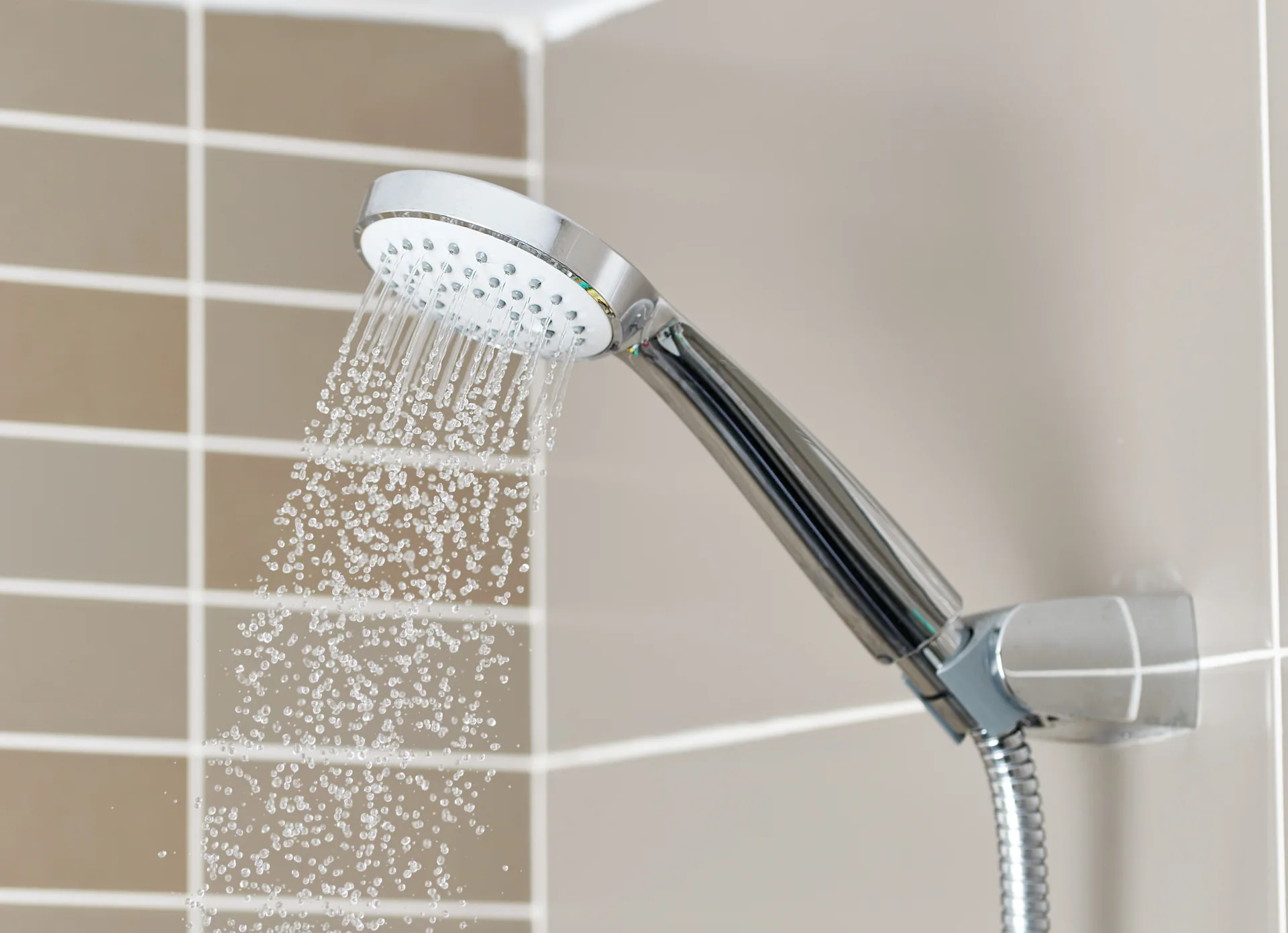
- White crust on faucets, showerheads and the inside of kettles
- Spots and cloudy film on dishes and glassware
- Soap and shampoo that barely lather
- Dry skin and dull, stiff hair after showering
- Laundry that feels rough and fades quickly
- A water heater that rumbles from mineral scale in the tank
How a Water Softener Removes Minerals
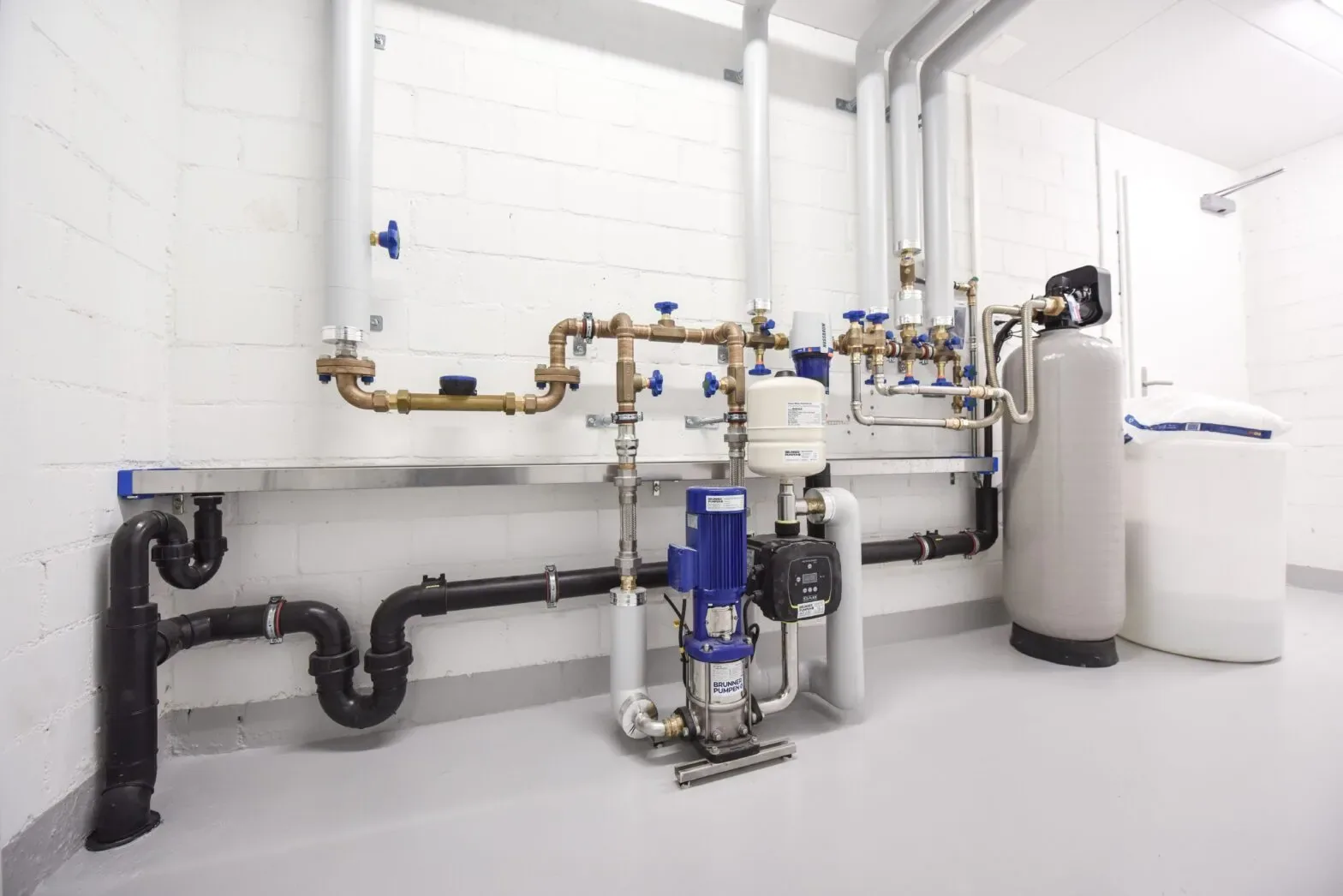
Most home softeners use a process called ion exchange. Water flows through a tank of small resin beads that hold sodium or potassium. As hard water passes over them, the beads grab the calcium and magnesium and release a small amount of sodium or potassium in their place.
Over time the beads fill up with minerals. The softener then runs a regeneration cycle, rinsing the resin with salty water from the brine tank and flushing the minerals down the drain. Modern units track your water use and regenerate only when needed, which saves salt and water.
Hard Water Treatment That Protects Pipes and Appliances
Hard water treatment pays off well beyond cleaner glassware. Scale builds up inside water heaters, where it insulates the water from the heat and makes the unit work harder. It also clogs aerators, shortens the life of dishwashers and washing machines, and narrows the inside of older pipes.
Softened water reduces that wear. Many homeowners notice that cleaning gets easier, they use less soap, and fixtures stay shiny longer. If you own a tankless heater, softening is especially valuable, since scale is one of the main reasons those units need tankless water heater descaling.
For homes on a private well, hardness is often only one part of the picture. Iron, sulfur or bacteria may need their own stages, which our water treatment service covers in detail.
Water Softener Repair and Routine Service
Softeners are simple machines, but they do need attention. Water softener repair calls usually involve a control valve that stopped regenerating, a salt bridge in the brine tank, a stuck float, a clogged injector or resin that has worn out after many years of use.
Regular water softener service keeps the unit running well. We check the settings against your current hardness and household size, clean the brine tank when needed, inspect the valve and test the softened water. If your system is old and failing, we will tell you honestly whether a repair or a new unit is the better value.
How We Install a Water Softener
A softener installation is straightforward when it is planned well. Here is what to expect, including any permit or inspection your town may require.
-
Test the Water
We measure your water hardness and check for iron, then confirm how many people live in the home and how much water you use.
-
Size the Unit
We choose a softener with the right capacity and settings, so it regenerates efficiently without running out of soft water.
-
Install and Connect
We tie into the main line, add a bypass valve, connect the drain and brine tank, and handle any required permit and inspection.
-
Program and Test
We set the control valve for your hardness, run a test cycle and show you how to add salt and use the bypass.
Water Softener Installation in Wilmington, DE: What Affects Cost
The cost depends mostly on the size and type of softener. A larger family or very hard water needs more capacity, and units with advanced controls cost more than basic models. Twin tank systems that provide soft water around the clock add to the price.
Installation details also play a part. The distance from the main line, the location of the nearest drain and any plumbing changes at the entry point all affect labor. We give you a clear quote for water softener installation in Wilmington, DE after we test your water and look at the space.
Why Choose Our Plumbers for Your Softener
Supreme Plumbing Services treats water quality as one of our core services. We test before we recommend, size the softener to your real water use, and explain how it works so you are never left guessing.
We are licensed and insured, and we keep each install neat, with a bypass so the system can be serviced without shutting off your water. You can see everything else we handle on our plumbing services page.
24/7 Emergency service
Softened Water for Newark, Middletown and New Castle Homes
We install and service softeners for homeowners in Newark, DE, Middletown, DE and New Castle, DE, as well as Wilmington and other towns within about 60 miles. Hardness varies from one water source to the next, so we test at every home.
Whether you are on city water or a private well, water softener installation in Wilmington, DE and nearby towns starts the same way. We begin with a hardness test, then size a softener for your household.
Softener Questions
Water Softener FAQs
How do I know if I need a water softener?
The clearest sign is scale: white crust on faucets, spotty dishes and buildup inside kettles or showerheads. A simple hardness test confirms it. If the result is moderate or high, a softener protects your water heater and appliances. We test your water during the visit and explain whether softening is worth it for your home.
How often do I need to add salt?
It depends on your water hardness, the size of your household and the efficiency of the unit. Some homes need a refill every few weeks, while others go longer. Check the brine tank regularly and keep it at least partly full. If the salt level never seems to drop, the softener may not be regenerating and should be checked.
Will softened water taste salty?
Most people do not notice a salty taste. A softener adds only a small amount of sodium, and the amount depends on how hard your water was to begin with. If you prefer less sodium, potassium chloride can be used in place of salt, or a separate drinking water filter can be added at the kitchen sink.
How long does a water softener last?
A well maintained softener can serve a home for many years. The control valve and the resin beads are the parts that wear out first, and iron or chlorine in the water can shorten resin life. Regular service and the right salt help a softener last longer. We can tell you whether an older unit is worth repairing.
Say Goodbye to Scale
Protect Your Plumbing From Hard Water Starting This Week
Every day of hard water adds a little more scale to your pipes and appliances. Call Supreme Plumbing Services at (302) 750-0115 or send a request, and we will test your water and recommend the right softener.